
Short-term Japanese language courses can be much easier to apply for than long-term student-visa programs, but “short term” does not mean every school uses the same form or deadline. This guide organizes the common short-term Japanese language school application documents, conditional items, visa checks, and preparation steps for studying in Japan.
A school application form, a recent face photo, and a clear image of your travel document’s identification page are common short-course requirements. A residence card image may be requested if you already live in Japan. The school can also request level information, payment, insurance, housing details, parental consent, or additional identification. Confirm the school’s current checklist before sending documents.
Short-Term Japanese Language School Application Documents and Requirements
Common documents for a short Japanese course
Akamonkai’s official short-course document list gives a useful example: a completed short-term application form, a recent face photo, and a copy of the identity page of a passport or other travel document. Applicants who already hold a residence card may need images of both sides and pages showing entry and exit stamps. This is an example, not a universal list.
- Application form: use the school’s current format;
- Travel document: a clear copy of the identity page and any other pages the school requests;
- Face photo: recent, plain, and matching school specifications;
- Contact details: the current information requested by the school;
- Study plan: preferred dates, course length, campus, and current level;
- Japan documents if applicable: residence card and current status of residence.
Documents that depend on the school or applicant
A minor may need parental consent. A school can request proof of prior study, a placement test, an interview, medical information, insurance, or a copy of an existing visa. Housing applications can introduce a separate set of forms. Treat every additional request as school- or applicant-specific.
Waseda’s short-term program, for example, uses detailed admission guidelines, a level self-check, and an online application system during a fixed window. This shows why a generic checklist must always be matched to the chosen school.

Short-term documents vs long-term student-visa documents
| Item | Short course | Long-term/student visa route |
|---|---|---|
| Application form | Common | Common, usually more detailed |
| Passport or travel-document identity page and face photo | Common | Common |
| Education certificates and transcripts | School-specific | Frequently requested |
| Financial sponsor and bank evidence | Usually not the basic short-course set | Frequently required |
| Immigration and COE documents | Depends on nationality and stay status | Central to the student-visa process |
| Housing and arrival forms | Optional or separate | Specific to the school or provider |
Travel document, visa, and entry-status checks
A school acceptance does not automatically give permission to enter Japan. Entry requirements depend on nationality, travel document, course duration, and individual circumstances. Check Japan’s Ministry of Foreign Affairs and the Japanese embassy or consulate responsible for your residence.
Do not describe every course under three months as “visa-free.” Some nationalities require a short-stay visa, and the permitted activities and documents must be confirmed officially.
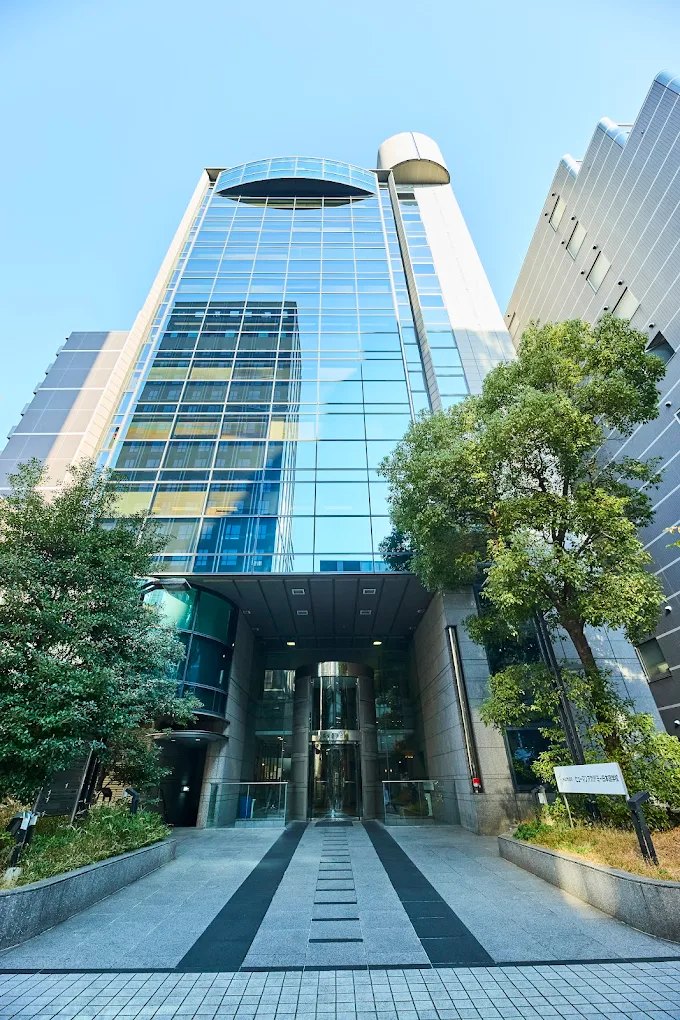
Human Academy short-term course example
Human Academy’s checked short-study page states that the program can run up to three months and shows January, April, July, and October intake. It lists one- to four-week, two-month, and three-month tuition examples, notes that materials cost extra, and describes housing and cultural-experience support. Availability and the current application checklist must be confirmed directly.
The Osaka campus page lists the school in central Osaka near Hommachi and describes established Japanese-language education. HarukaBase currently uses Human Academy Osaka as a practical example, not as the only school option.
Application fees, tuition, and payment documents
Separate the school application or admission fee, tuition, materials, housing, activities, insurance, and HarukaBase support fee. Ask which payment secures the seat, which fees are refundable, what happens when the course is full, and whether bank charges are deducted from the received amount.
How to Prepare Short-Term Japanese Language School Application Documents
Choose the course before collecting every document
Decide the city, dates, course length, budget, study goal, current level, accommodation, and immigration route. The existing short-term Japanese language school guide helps with that decision. Once the target school is clear, request its current checklist and deadline.
Use one consistent personal-information sheet
Write your legal name exactly as shown in the passport and reuse the same spelling, date format, address, nationality, and contact information. Inconsistent details create avoidable questions. Keep an organized folder with original files and clearly named submission copies.
- school guidelines and deadline;
- application form draft;
- passport or travel-document identity page and a face photo;
- level test or study history;
- visa/status documents if needed;
- housing and emergency-contact forms;
- invoice, payment proof, and acceptance notice.
Application mistakes that cause delays
- Using an old form: download the current school version.
- Unreadable identity image: show all edges and avoid glare.
- Wrong photo: follow size, background, age, and file rules.
- Mixing campus or term: confirm city, start date, and duration everywhere.
- Paying before acceptance conditions are clear: identify what the invoice covers.
- Assuming housing is included: school tuition and accommodation are usually separate.

Coordinate school, housing, and airport arrival
Acceptance is only one part of the move. Confirm where you will stay, when keys are available, how you reach the housing after landing, and whether orientation occurs before classes. Link the school calendar to the Housing Support and Airport Pickup plan early.
HarukaBase can help explain application steps in English and communicate with the school according to the agreed service scope. The exact support scope is confirmed in writing before payment, and actual school or provider costs are shown separately.
FAQ about short-term Japanese school documents
Do I need a graduation certificate for a short course?
Not always. It is common in long-term applications, but short-course requirements are lighter at many schools. Follow the chosen school’s list.
Can I apply without knowing my Japanese level?
Many schools use a self-check, placement test, or interview. Tell the school honestly what you have studied.
Does school acceptance include a visa?
No. Visa and entry requirements must be checked separately with MOFA and the responsible embassy or consulate.
Can HarukaBase arrange accommodation too?
Housing support can be coordinated separately according to availability, provider rules, and the selected HarukaBase plan.
Short-term Japanese language school application documents summary
Start with the school’s current form, a copy of the passport or travel-document identity page, and a face photo, then add only the items required for your course, immigration status, age, and housing. Keep short-course and student-visa checklists separate, confirm every deadline, and preserve invoices and acceptance documents.
See the full School Application Support page. To request a school-specific checklist, send your city, preferred dates, course length, current Japanese level, nationality, and housing needs through the HarukaBase inquiry form.
Official sources checked 2026-07-12: Human Academy short-term study, Human Academy Osaka campus, Waseda short-term admission, Akamonkai documents, MOFA short-stay visa guidance, and Study in Japan Student Guide.