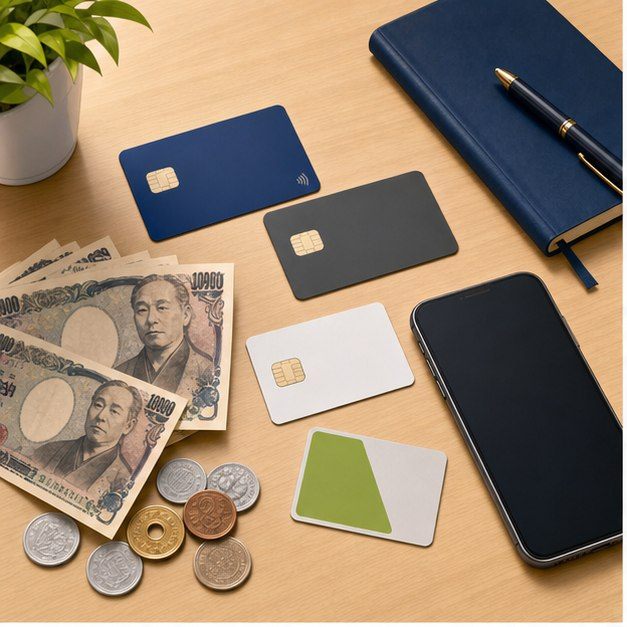
If you are deciding cash or card in Japan for foreigners, the useful answer is not one or the other. For a calm first arrival, prepare three layers: an international credit or debit card, a modest JPY cash buffer, and an IC card or mobile IC setup for local transport and small payments. That mix protects you when one payment method fails, when a small shop is cash-only, or when your first train, taxi, locker, or convenience-store stop does not match the advice you read online.
Foreigners should not rely on only one card or only cash in Japan. Cards work widely in cities and larger stores, cash is still needed in some smaller or rural places, and IC cards help with trains, buses, vending machines, convenience stores, and lockers. Withdraw JPY from an ATM that accepts overseas cards, keep your card issuer's emergency contacts separate from the cards, and declare cash or other means of payment over JPY 1,000,000 at Customs.
- Bring redundancy: one card, one backup card, and some cash is safer than trusting a single wallet app.
- Use IC cards for friction: local transport and small purchases are often easier with Suica, PASMO, ICOCA, or another compatible IC card.
- Check cash sources: JNTO points travelers to Japan Post Bank and Seven Bank ATMs for cash withdrawals with overseas cards.
- Separate customs from budgeting: JPY 1,000,000 is a declaration threshold, not a suggested travel amount.
Information checked: July 31, 2026. Payment acceptance, IC-card sales, ATM access, card fees, foreign-exchange rates, mobile-wallet compatibility, and customs procedures can change. This guide is practical preparation, not banking, tax, customs, insurance, or financial advice.
Cash or card in Japan for foreigners: what to prepare before landing
Quick answer for first-time payments: the most practical payment setup is a layered one. Use cards where they are accepted, keep cash for places that still need it, and use an IC card for local transport and quick payments where the IC logo is accepted. That combination is especially useful on arrival day, when you may be tired, carrying luggage, and trying to move from airport to accommodation without testing every payment method in public.
For the broader first-day order, keep this money plan next to the first-day checklist after arriving in Japan. Phone setup also matters because a locked phone, dead battery, or failed roaming plan can make card apps and transport apps harder to use.
Credit cards, debit cards, and contactless payments
JNTO says credit, debit, and prepaid cards of international brands are generally accepted throughout Japan, but not every store displays card symbols and short-distance train or subway fares cannot always be paid directly by card. Larger hotels, department stores, shopping centers, restaurants, JR shinkansen tickets, and airport rail tickets are usually easier than small local places.
Before departure, tell your bank you will be in Japan if your issuer still uses travel notices, confirm your PIN, save the card issuer's emergency phone number separately, and carry a physical card. Overseas smartphone payments can fail or be unsupported in Japan even when the same phone works at home.
When cash is still the safer backup
Japan is more cashless than it used to be, but JNTO still warns that many places may require cash, especially in rural areas and even some hotels. Small restaurants, local buses, temple or shrine counters, older ticket machines, small inns, neighborhood shops, lockers, and unexpected machine problems are common moments when cash is useful.
- Arrival margin: food, train adjustment, taxi backup, or a small purchase before your card is tested.
- Small places: local restaurants, market stalls, older ticket machines, and small attraction counters.
- IC top-ups: some physical card top-ups and ticket machines still depend on cash.
- Unexpected failure: foreign card rejection, weak phone battery, app lockout, or payment-terminal outage.
IC cards for transport, lockers, and small payments
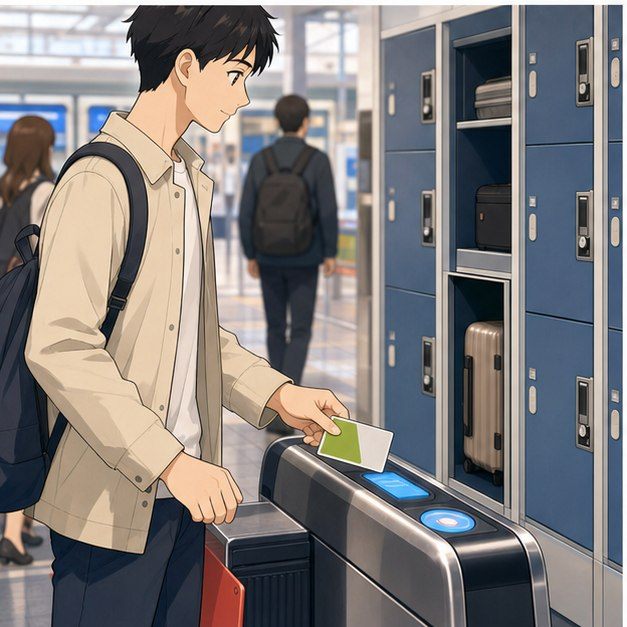
IC cards such as Suica and PASMO are not only train cards. JR East says Welcome Suica can be used for trains, buses, shopping, vending machines, and some coin lockers, and that visitor Welcome Suica use begins from the purchase date for 28 days. PASMO says PASMO can be used for train and bus fares and cashless shopping at participating stores, while TOURIST PASMO is also valid for 28 days and unused stored value is not refunded.
An IC card does not replace a credit card or cash. It is best treated as a fast local payment tool. Check the current sales route before you arrive, especially if you need a physical card, a child card, or a mobile setup.
ATM withdrawal plan with overseas cards
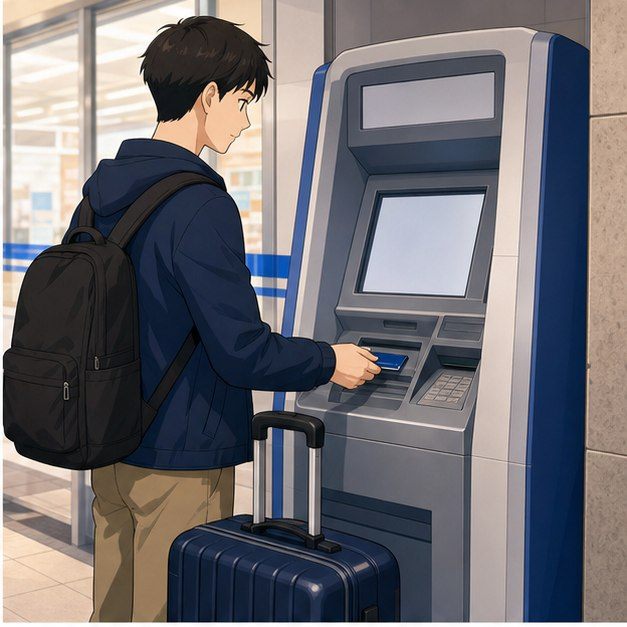
JNTO points visitors to Japan Post Bank and Seven Bank ATMs for cash withdrawals. Seven Bank says travelers can withdraw Japanese yen with foreign-issued cards at 7-Eleven stores and other locations, while Japan Post Bank says overseas-issued credit or cash cards can be used for withdrawals at Japan Post Bank ATMs. Your home bank, card network, and the ATM operator may still affect fees, limits, and acceptance.
Do not wait until the last train or a cash-only counter to test your card. If you plan to withdraw after landing, test a small withdrawal while you still have time, battery, and internet. Keep one backup card separate from the wallet you use most.
Cash or card in Japan for foreigners: first-week payment plan
Airport arrival, taxis, and short-distance trains
Airport arrival is where payment confusion becomes stressful. If you are using public transport, decide whether you will buy a ticket, use an IC card, or reserve a longer-distance train. If you are using a taxi or arranged pickup, confirm how the taxi fare and support fee are quoted and paid before you commit.
HarukaBase's Japan Airport Pickup with English Support page separates the HarukaBase support fee from actual taxi fare. If you are paying HarukaBase, use the Payment Guide for service-payment flow rather than mixing it with general travel-spending advice.
Food, convenience stores, small shops, and rural travel
In major city chains, cards and IC cards are often smooth. In smaller places, the answer depends on the store, terminal, card brand, and local practice. Ask before ordering if you are unsure, and do not assume that a phone wallet used overseas will work just because the store accepts Japanese cashless payments.
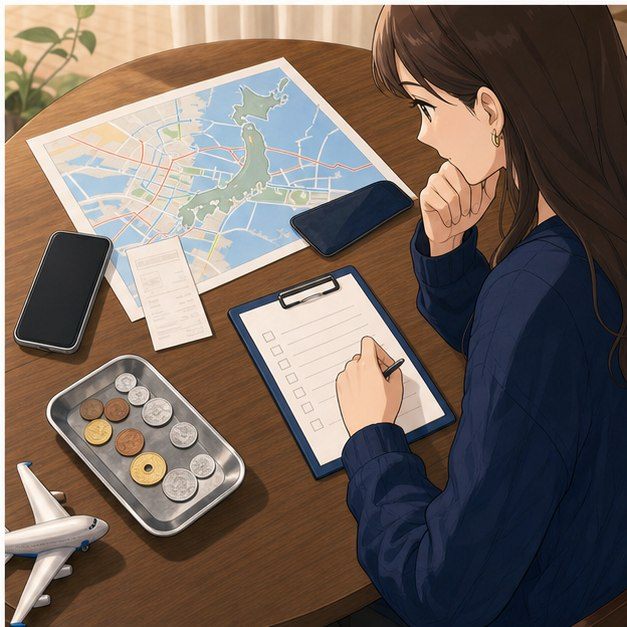
For a first week in Japan, it is useful to keep coins organized, spend smaller bills where possible, and avoid depending on one exact payment method when you are far from your hotel or school. If your trip includes rural stops, older inns, temples, small restaurants, or local buses, keep more cash flexibility than you would in central Tokyo.
Declaring large cash at Japan Customs
Japan Customs says travelers carrying cash or other means of payment exceeding JPY 1,000,000 must declare it. This can include Japanese currency, foreign currency, checks, traveler's checks, and other instruments. For normal travel spending, most visitors are far below that threshold, but students, movers, or people carrying large family funds should check the official Customs page before departure.
Compare cash, card, IC card, and backup options
| Method | Best use | Main risk | HarukaBase note |
|---|---|---|---|
| Credit or debit card | Hotels, larger stores, JR longer-distance tickets, online reservations, and planned payments. | Card rejection, foreign transaction fees, app lockout, or unsupported contactless wallet. | Carry a physical backup and issuer contact details. |
| JPY cash | Small shops, older machines, rural stops, local buses, temples, emergency backup, and IC top-up moments. | Loss, theft, exchange spread, and carrying too much. | Keep a modest buffer and withdraw more when needed. |
| IC card | Local trains, buses, vending machines, convenience stores, lockers, and quick small payments. | Area limits, expiration rules for visitor cards, non-refundable balance on some visitor products, and top-up limits. | Great for friction, but not a replacement for cash or card. |
| ATM withdrawal | Getting JPY after arrival with an overseas card. | Bank/card limits, service hours, fees, magnetic stripe limits, and card-network issues. | Test early while you still have time and internet. |
Payment mistakes that delay the first week
- Bringing one card only: one bank fraud hold can block the whole payment plan.
- Relying on phone wallet only: battery, region settings, app rules, and store systems can fail.
- Waiting to withdraw cash: test the ATM before you are stuck at a cash-only counter.
- Ignoring IC card limits: a visitor card may expire or have no refund route for stored value.
- Using general averages as guarantees: daily spending depends on city, accommodation, food style, luggage, family size, and route.
- Confusing Customs with budgeting: the large-cash declaration rule is a legal threshold, not a travel-spending recommendation.
FAQ about cash or card in Japan for foreigners
Can I travel in Japan without cash?
Sometimes in major city routes, but it is not a reliable plan for every traveler. Keep some JPY cash for small shops, older machines, rural stops, local buses, and backup.
Should I exchange all my money before leaving home?
Usually no. Many travelers bring a small starter amount and withdraw more from compatible ATMs in Japan. Your home bank fees, exchange rate, and comfort level decide the best balance.
Are IC cards better than credit cards?
They solve different problems. IC cards are fast for local transport and small payments. Credit or debit cards are better for larger planned payments and online reservations.
Do taxis in Japan take cards?
Many taxis do, but not every taxi or payment terminal should be treated as guaranteed. Confirm before riding if you do not have enough cash.
Can HarukaBase advise exact cash amounts?
HarukaBase can help organize an arrival plan, but exact cash needs depend on your route, family size, accommodation, provider rules, card fees, and risk tolerance. We do not provide financial advice.
If payment, phone setup, luggage, first address, or taxi coordination feels scattered, send your arrival date, airport, destination, housing status, and support needs. HarukaBase can help organize the practical arrival route in English and Japanese while official rules, bank/card decisions, exchange rates, and provider payment acceptance stay with the responsible provider.
Review Airport Pickup Support, check the SIM and IC card setup guide, or send a free inquiry.
Cash or card in Japan for foreigners summary
A calm answer to cash or card in Japan for foreigners is a layered setup: card for larger and planned payments, cash for small or uncertain places, IC card for local transport and quick payments, and an ATM plan that works before your wallet is under pressure. Check official Customs rules if you carry large funds, and do not depend on a single phone wallet or one overseas card.
Next, connect this money setup with the first-day arrival checklist, the SIM card and IC card guide, and the HarukaBase payment guide if you are arranging support.
Official and provider sources checked July 31, 2026: JNTO Credit Cards in Japan, JNTO Cashless Payments in Japan, Japan Customs Passenger Clearance, JR East Welcome Suica, PASMO visitor information, Seven Bank overseas-card ATM information, and Japan Post Bank International ATM Service. Public Q&A discussions were used only to identify real questions, not as factual proof.