This Haneda Airport arrival guide is for foreigners landing at HND and trying to make the first hour simple: immigration, baggage claim, customs declaration, Terminal 2 or Terminal 3, phone battery, luggage, and the route to a hotel, school dormitory, share house, monthly apartment, or family address. Haneda is close to central Tokyo, but the best first route is the one that still works when you are tired and carrying luggage.
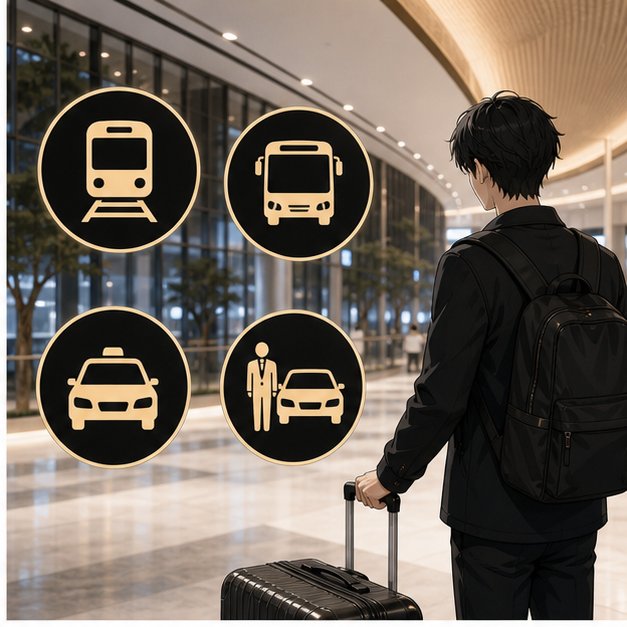
Before your flight, prepare Visit Japan Web, save your first address offline, and choose your Haneda route by destination, luggage, terminal, and arrival time. After landing, follow the official order: quarantine or health procedure if required, immigration, baggage claim, plant/animal quarantine if relevant, customs, then the arrival lobby. From there, choose train/monorail, bus, taxi, or reserved pickup based on where you need to sleep that night.
- Know your terminal: international arrivals can use Terminal 2 or Terminal 3 depending on the flight.
- Prepare the QR and paper backup: Visit Japan Web helps, but passport, first address, and customs details still matter.
- Let luggage shape the route: transfers, stairs, crowded trains, and late check-in rules can be harder than the map suggests.
- Check official pages: airport procedures, train/bus/taxi details, and customs rules can change.
Information checked: July 28, 2026. Flight assignment, terminal flow, transport schedules, fares, taxi stands, and official procedures can change. This article is practical planning, not legal, immigration, customs, airline, or transport-provider advice.
Haneda Airport arrival guide: arrival steps before the lobby
Quick answer for Haneda Airport arrivals
For most foreign travelers, the calmest Haneda arrival plan starts before departure. Prepare your passport, Visit Japan Web information, customs declaration details, first address, phone power, and a realistic onward route. Do not wait until the public lobby to decide everything, because the hard part is often not the airport itself. It is the tired decision after the airport: which train gate, which bus stop, which taxi stand, or which pickup meeting point.
Documents, QR codes, and first-address details
The Digital Agency describes Visit Japan Web as an online service for arrival procedures such as immigration and customs. Japan Customs also recommends electronic declaration through Visit Japan Web, while noting that baggage may still be inspected by Customs officers. Use it if you can, but keep your passport, visa or status documents when applicable, flight details, first address, and phone backup easy to reach.
Visit Japan Web is not a visa, not a guarantee of entry permission, and not a replacement for official immigration or customs decisions. If you are unsure about short-term visa rules, check the Ministry of Foreign Affairs visa page before travel.
Immigration, baggage claim, plant and animal quarantine, and customs
Haneda Airport's official international arrival page shows the main arrival flow for both Terminal 2 and Terminal 3: quarantine when relevant, immigration control, baggage claim, animal/plant quarantine when relevant, customs inspection, and then the arrival lobby. Keep baggage tags until you have every suitcase. If a bag is missing or damaged, Haneda says to ask airline staff and present your baggage tag.
Customs is not only a formality. Japan Customs says all passengers entering Japan are required to declare their belongings. If you have unaccompanied baggage, restricted items, or goods over allowance, check the official customs pages before you fly instead of relying on social posts.
- Passport and status documents: plus school, work, or accommodation papers if relevant.
- First address: hotel, dormitory, share house, monthly apartment, homestay, or family address.
- Phone power: charger, battery pack, and offline route screenshots.
- Customs information: declaration details and any instructions for restricted or unaccompanied items.
- Backup contact path: how to contact your host, school, housing provider, or pickup support if arrival is delayed.
Terminal 2 vs Terminal 3 international arrivals
Haneda has international arrival information for Terminal 2 and Terminal 3. Terminal 3 is the classic international terminal, but some international flights use Terminal 2. Confirm your terminal from your airline and Haneda flight information before choosing a meeting point or telling someone where to wait.
This matters for pickup, taxi stands, bus stops, and station access. If someone is meeting you, do not say only "Haneda." Share the terminal, flight number, arrival time, and whether you will contact them after immigration and baggage claim.
What to do before leaving the arrival lobby
Before you leave the public arrival area, pause for two minutes. Check your phone battery, suitcase count, address, final station, and backup route. If you need phrases for station staff, taxi staff, or luggage questions, save the airport-arrival Japanese phrase tool before your flight.
Haneda Airport arrival guide: transport and first-day choices
Train, monorail, bus, taxi, or pickup
Haneda Airport says it is directly connected to the Keikyu Line and Tokyo Monorail. The airport's official train page lists approximate times from Haneda to major stations, including about 15 minutes to Shinagawa, about 20 minutes to Hamamatsucho, about 30 minutes to Tokyo Station, about 45 minutes to Shibuya, and about 50 minutes to Shinjuku. For exact schedules and fares, Haneda points readers to the respective operators.
Buses can be easier when your hotel or district is near the stop. Haneda's bus page says Terminal 3 tickets are available from machines or bus ticket counters and that passengers should purchase tickets before boarding. Taxis and reserved cars reduce transfer stress, but meeting points, stand locations, fare conditions, traffic, and availability must be confirmed from current official/operator pages.
| Route type | Best when | Watch for |
|---|---|---|
| Keikyu Line | Your first address is near Shinagawa, Yokohama, Asakusa-line connections, or a Keikyu-connected route. | Transfer station, ticket/IC setup, train type, luggage space, and final elevator access. |
| Tokyo Monorail | Your first address connects well through Hamamatsucho or the JR/Yamanote side of central Tokyo. | Transfer at Hamamatsucho, crowded timing, and final station walking distance. |
| Express bus | Your hotel, district, or major station is close to a bus stop and you want less station navigation. | Timetable, ticket counter, destination stop, luggage rules, and late-night gaps. |
| Taxi or app/reserved taxi | You have large luggage, children, late arrival, limited Japanese, or a hard-to-reach first address. | Stand location, app pickup point, traffic, tolls, flat-rate eligibility, and provider rules. |
| Airport pickup support | You need English/Japanese help connecting flight, luggage, first address, and arrival timing. | Availability must be confirmed in advance; support cannot change immigration, customs, traffic, or provider decisions. |
Best option by destination, luggage, and time
For Shinagawa or Yokohama, Keikyu can be natural. For Hamamatsucho, Tokyo Station, and Yamanote-side routes, the monorail plus JR transfer may be simple. For hotels with direct bus stops, a bus may reduce walking. For late arrival, children, large suitcases, or a first apartment far from a major station, taxi or pickup support may be more realistic than a multi-transfer train route.
If Shinjuku is your first address, compare the full airport-bus, Keikyu, monorail, taxi, and delivery decision in the Haneda Airport to Shinjuku with luggage guide, including terminal, transfer, hotel-stop, and backup checks.
If you are still deciding whether Haneda or Narita is better, read Haneda vs Narita. If you already know you land at Narita, use the Narita Airport arrival guide instead.
Late-night arrival and phone-battery risks
Late arrival changes the answer. A route that is fine at 4 p.m. can become stressful after the final easy train or bus. Haneda has late-night and early-morning transport information through official access pages, but you should still confirm your exact date, terminal, destination, and check-in rule before travel.
Phone battery is also a real transport risk. Your route, translation, contact person, hotel address, and QR code may all sit on the same device. Bring a charger and battery pack, and save the first address somewhere that works without mobile data. For more detail, use the late-night arrival guide and the SIM and Wi-Fi guide.
Common Haneda arrival mistakes
- Giving the wrong terminal: pickup, taxi, and meeting points depend on Terminal 2 or Terminal 3.
- Choosing only by fastest time: transfers and stairs can erase the advantage with luggage.
- Burying documents in checked baggage: keep passport, first address, school or housing papers, and customs details with you.
- Assuming a QR code guarantees speed: staff, queues, baggage, and customs decisions still control actual time.
- Skipping a late-night backup: missed trains, delayed flights, and check-in limits need a second plan.
- Not confirming the exact first address: one station name can cover several exits and long walks.
FAQ for Haneda Airport arrivals
Is Haneda easier than Narita for first-time foreigners?
Haneda is usually closer to central Tokyo, but "easier" depends on your first address, terminal, luggage, arrival time, and whether you can handle transfers after a long flight.
Should I use Keikyu or the Tokyo Monorail from Haneda?
Choose by final address. Keikyu often fits Shinagawa, Yokohama, and Asakusa-line routes. The monorail often fits Hamamatsucho and JR/Yamanote-side routes. Confirm current schedules and fares from official operator pages.
Is a bus easier than train from Haneda?
Sometimes. A bus can reduce station navigation if it stops near your hotel or district, but timetable, stop location, and late-night availability matter.
When should I use taxi or airport pickup support?
Consider it for late arrival, large luggage, children, a hard-to-find address, limited Japanese, or a first-night schedule that cannot fail. Confirm availability and meeting rules before departure.
Can HarukaBase guarantee immigration time, customs result, taxi availability, or train operation?
No. Those are controlled by official authorities and transport providers. HarukaBase can help you plan and communicate within agreed support scope, but cannot change official or provider decisions.
Send your flight number, terminal if known, arrival time, luggage count, first address, group size, and check-in rule. HarukaBase can help compare train, monorail, bus, taxi, or pickup support in English/Japanese without changing airport, immigration, customs, housing, school, or transport-provider rules.
Haneda Airport arrival guide summary
A practical Haneda Airport arrival guide starts before departure: prepare Visit Japan Web, confirm Terminal 2 or Terminal 3, save your first address, keep phone power ready, and choose transport based on luggage and time. After landing, finish immigration, baggage, and customs first. Then choose the route that gets you to the exact place where you can safely check in and rest.
For broader first-week planning, continue with What To Do After Arriving in Japan or the Moving to Japan First Week Checklist.
Official sources checked July 28, 2026: Haneda Airport international arrival procedures, Haneda Airport access route information, Haneda Airport train and monorail access, Haneda Airport express bus and route bus access, Haneda Airport taxi access, Digital Agency Visit Japan Web, Japan Customs electronic declaration guidance, and MOFA Japan visa information. Public travel discussions were used only to identify recurring worries, not as factual proof.